Arborist Myths Explained: What You Really Need to Know
When it comes to maintaining the protection of your trees, the advice of a experienced tree surgeon can be extremely helpful. But, there are many misconceptions regarding tree care, leading homeowners to make decisions that could jeopardize their trees and property. In this article, we intend to debunk common myths surrounding tree surgery and offer you with essential knowledge about when and how to seek professional help.
From identifying the signs that indicate your tree needs attention to differentiating between tree trimming and pruning, our complete guide lays out all the information you require. Whether you're concerned about tree health, considering how to manage branches before a storm, or evaluating tree removal, we are here for you. Get ready to learn the truth about tree care and ensure your trees thrive for years to come.
Signs That Your Tree Needs Attention
Seeing changes in your tree can be crucial to maintaining its health and integrity. One of the first signs that the tree may need expert attention is the appearance of faded or discolored leaves. If the leaves are becoming yellow, brown, or dropping prematurely, it could indicate trouble from disease, pest infestation, or poor watering. Identifying these symptoms promptly can make a big difference in the outcome for the tree.
Another important sign to watch for is atypical growth patterns such as fungal bodies or fungal growth on the tree or its base. This can indicate deterioration or other underlying issues that require to be addressed promptly. Additionally, if you spot cracks or splits in the trunk or large branches, this may signal physical weakness that could lead to potential hazards. These growth irregularities warrant a expert evaluation to ensure the tree's health and safety.
In conclusion, examining the overall condition of the tree can provide information into its condition. An unbalanced canopy or tilting trunk may indicate instability due to root issues or damage. When branches begin to intertwine or rub against each other, this can also create wounds that may invite disease. If any of these signs are present, it is wise to speak with a tree surgeon who can assess the situation and recommend the suitable care.
The Value of Qualified Tree Care
Maintaining the health and protection of your trees is crucial, and this is where expert tree care comes into play. A qualified tree surgeon provides expertise in detecting potential issues that an untrained eye might fail to see. Routine inspections and maintenance can prevent trivial problems from growing into serious dangers. Whether it’s diseases, structural weaknesses, or symptoms of rot, professionals are trained to assess and address these issues efficiently.
Additionally, engaging a tree surgeon ensures that your trees receive the appropriate care adapted to their individual needs. This includes suitable pruning, trimming, and even removal when needed. Understanding the distinctions between tree trimming and tree pruning is vital; professional services will utilize the right techniques to foster healthy growth and sustainability. Proper care not only boosts the beauty of your landscape but also contributes to the overall health of the trees.
Ultimately, ignoring tree care can lead to costly repairs and safety threats. Overgrown branches can pose threats to your home and property, especially during inclement weather. By putting resources in professional tree care, homeowners can reduce these risks and ensure that their trees thrive in a protected and durable manner. Routine maintenance and speedy interventions can cut expenses in the long run and defend your property from potential risks associated with unhealthy trees.
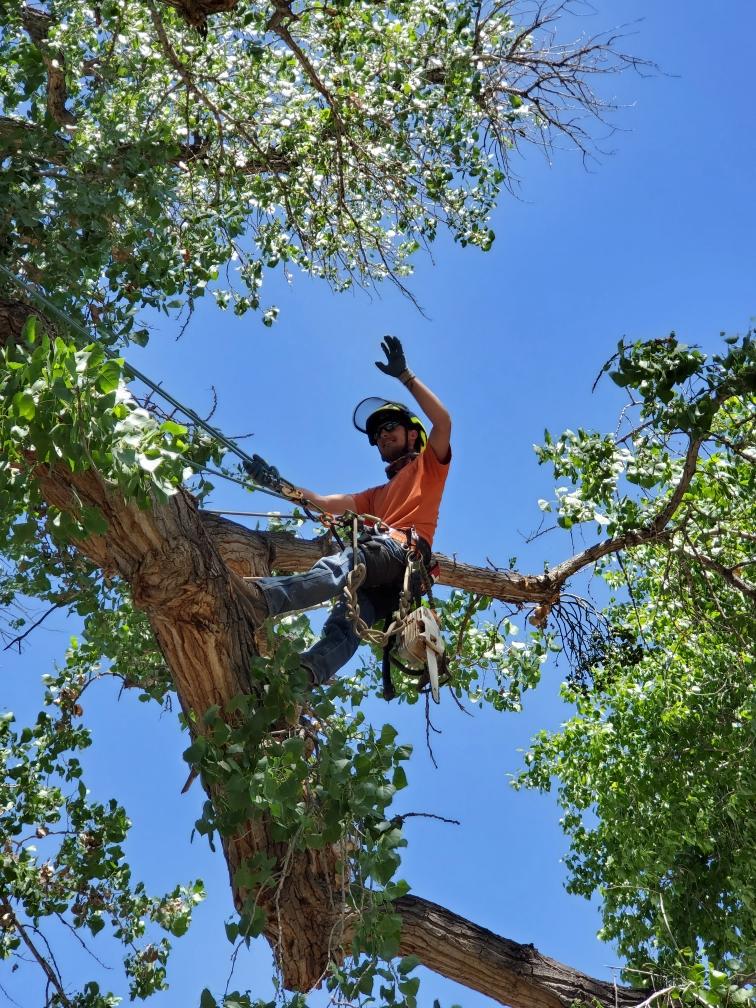
Tree Maintenance and Safety Tips
Regular tree maintenance is essential for the condition of your trees and the safety of your property. Inspect your trees frequently for signs of issues, such as diseased limbs, abnormal growth, or mold. Proper watering and soil enrichment can greatly enhance a tree's durability, especially during dry spells. Making sure that your trees receive the sufficient nutrients and are properly pruned at the right times can prevent many common problems and help them thrive.
When it comes to hazard prevention, be proactive about potential dangers. If you see branches that are too close to power lines, or if you have trees that are leaning dangerously, it's crucial to consult a licensed arborist. They can assess the dangers and take necessary actions to lessen them. This not only protects your home and property but also ensures the security of your family and neighbors.
Finally, after any storm, check your trees for any impairment. If you find trees that are tilting or sustained significant limb loss, call an tree rescue service. These professionals can provide immediate assistance and avert further damage. Note that trying to handle risky tree situations yourself can lead to injury; therefore, it is always best to rely on skilled experts to keep your property safe.