Bringing Clarity on Darkness: Examining Right of Light Assertions
This the concept of Right to Light is a critical aspect of property ownership that frequently is often neglected until a dispute arises. This legal right grants individuals the capacity to experience natural light coming through their windows and, should it be violated, can lead to complex legal battles. Understanding the ramifications of Right to Light is crucial for homeowners, developers, and property professionals in general, as its effects can significantly influence building projects, property values, and interpersonal neighborhood dynamics.
Within the UK, laws regarding Right to Light are grounded in years of legal history and are established to safeguard residential and commercial properties from undue obstruction. As urban areas continue to grow, the potential for conflicts over natural light intensifies, making it essential for property owners to be knowledgeable about their entitlements. From dealing with Right to Light calculations to realizing when to conduct a survey, this article intends to provide a detailed overview that illuminates the complexities of Right to Light entitlements, providing insights and solutions for those confronting challenges related to their right to access natural light.
Understanding Light Access assertions
Right to light claims originate from the legal doctrine that property owners have the entitlement to obtain natural light from their windows. This right can be crucial for both residential and commercial properties, as adequate natural light is commonly associated to the well-being and value of a building. Right to light is typically established over time, with owners gaining rights to light that have been continuous for a defined period, usually 20 years. Due to different regulations across local jurisdictions, comprehending the legality and structure surrounding right to light is essential for property owners and developers.
Claims can come about when new developments block or reduce the natural light formerly enjoyed by neighboring properties. This can lead to conflicts between property owners and developers, as affected individuals may pursue legal remedies to maintain their access to light. In many cases, the building of an extension or new building next to an existing property can trigger these claims, underscoring the importance of factoring in right to light during the design phase of a project.
Steering through right to light claims requires a thorough understanding of property law and the distinct regulations in place inside the UK. Property owners typically need to assess both the impact of their developments on neighboring properties and how to protect their own rights. Collaborating with a qualified right to light surveyor can provide invaluable insights, helping property owners determine potential implications and steering clear of disputes that could lead to expensive legal processes.
The Right to Natural Light Assessments and Studies
Natural light assessments are crucial for landowners and contractors to comprehend their rights and responsibilities concerning natural light access. These assessments assess how new developments might impact neighboring buildings' access to light, ensuring that any potential loss of light is quantified and managed accordingly. A comprehensive evaluation identifies whether a development might encroach on the rights of adjacent buildings, thereby allowing property owners to take the necessary measures before construction begins.
Studies are a critical part of these assessments. A natural light survey is typically performed by a specialist surveyor who uses a combination of on-site measurements and zoning laws to assess the possible impact on light levels. These surveys provide a visual and numerical analysis of how different building designs can affect light availability for neighbors, helping property developers to optimize their designs while adhering to legal requirements. This forward-thinking approach minimizes conflicts and disputes down the road.
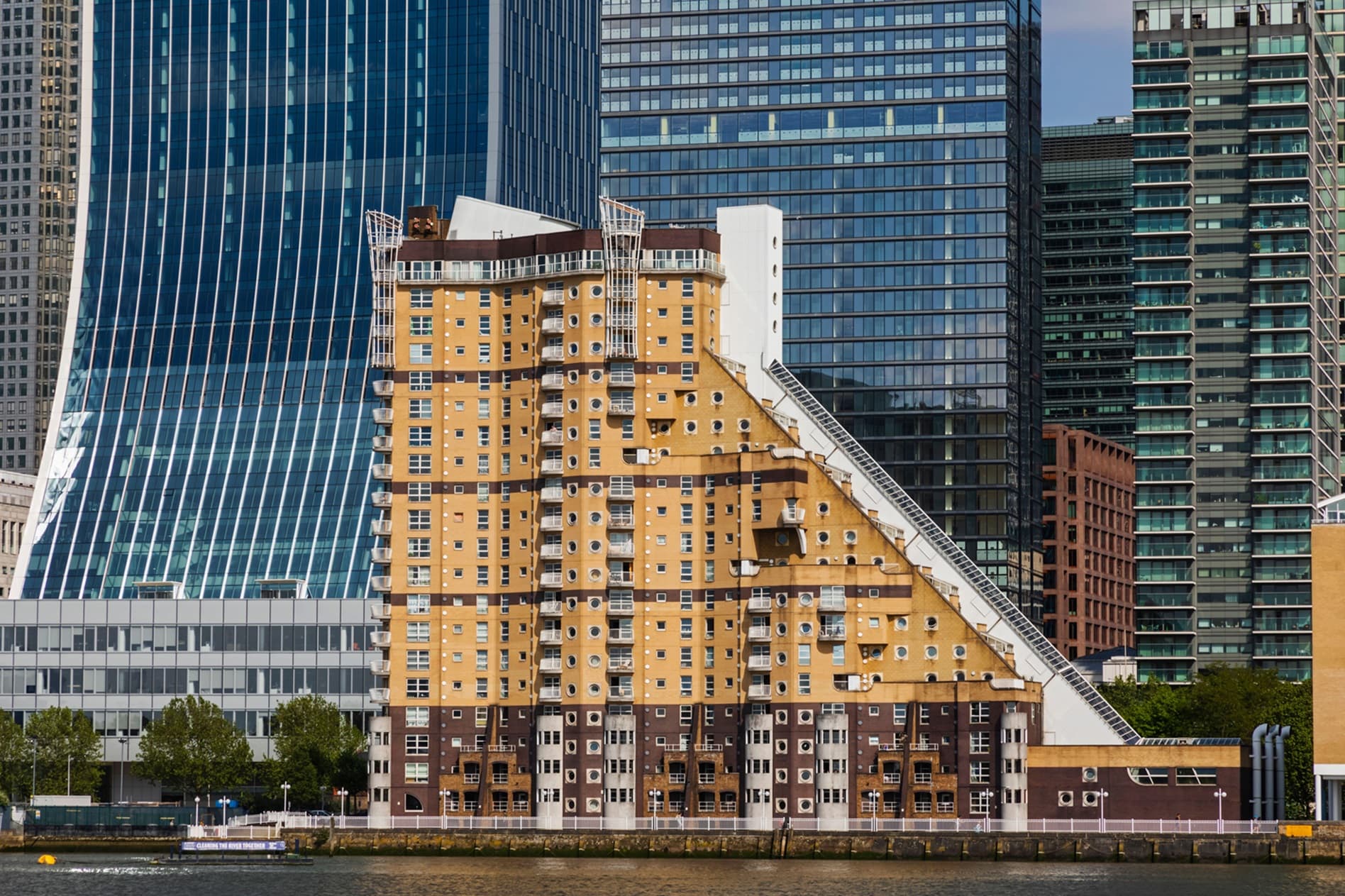
In situations where a planned development is probable to block natural light to neighboring properties, engaging in right to light studies early in the design phase is crucial. They can provide valuable insights and forecasts regarding light levels and remedial measures. By obtaining Additional reading , property contractors can make informed decisions, modify their plans if necessary, and significantly reduce the risk of disputes with neighbors, thereby protecting their projects and investments.
Tackling Right to Light Issues
As disputes arise concerning the right to light, effective communication between the affected parties is essential. Before turning to legal action, it is usually beneficial to engage in informal discussions to find a collectively satisfactory solution. Neighbours can collaborate on alterations to proposed developments, such as changes in design or height, which may assist to reduce the influence on natural light. Collaborative efforts can lead to harmonious resolutions, reducing both time and expenses associated with official disputes.
Should informal negotiations do not yield acceptable results, it may be necessary to seek professional assistance. Hiring a right to light surveyor can provide important insights and clarity on the law standing of the case. A surveyor can perform assessments, assess light levels, and offer advice on possible outcomes. Their skills ensures that both parties have accurate information, which can facilitate a more educated discussion or negotiation procedure.
If negotiations fail, and a resolution seems unattainable, pursuing legal action may be the appropriate course. This typically entails applying for an injunction to halt further obstruction of light or seeking compensation for any financial impacts incurred. It is vital to approach legal proceedings carefully, as courts generally favor resolve disputes out of court. Engaging in mediation or arbitration can serve as an viable alternative to litigation, providing a systematic environment for both parties to achieve a resolution while maintaining alliances.