Highlighting Property Rights: The Importance of Surveys on Right of Light
Within the area of property development, understanding the intricacies of property rights is imperative for successful completion of projects. A significant yet often overlooked aspect is Right of Light, which can greatly affect both the property value and development potential. Right of Light surveys play a crucial role in evaluating these rights, ensuring that developers and homeowners alike are aware of their legal standing when it comes to access to sunlight.
Such surveys not only help identify potential issues that may result in expensive legal disputes and also provide critical insights for planning applications and building designs. As urban environments become more complex of urban environments and the progress of contemporary tech, the significance of Right of Light surveys continues to expand. The following article aims to shed light on these surveys, guiding property developers, architects, and homeowners through the intricacies of Right of Light laws, frequent misunderstandings, and the realistic steps to take in order to mitigate risks before embarking on construction projects.
Understanding Light Rights Surveys
Light rights surveys are crucial assessments that ascertain whether a structure receives appropriate natural light and how much that light could be affected by surrounding developments. Right Of Light Surveys Hazelwood London is especially important for urban areas where new construction can significantly impact existing structures. The surveys measure light levels, assess angles of obstruction, and study how modifications in local architecture can restrict light access.
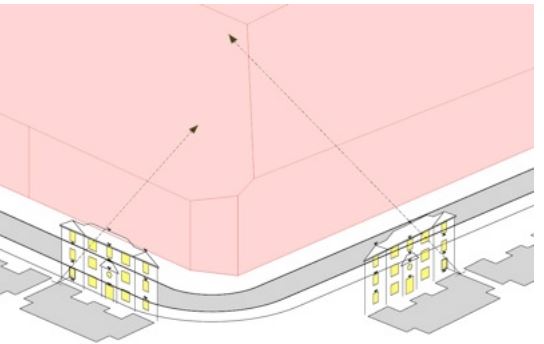
For property developers, comprehending the implications of light rights is important to avoid possible legal conflicts. If a surrounding property’s right to light is infringed upon, it can lead to legal battles that may hinder projects or result in costly compensation claims. Therefore, conducting a light rights survey early in the development process can help identify issues that need to be addressed, ensuring compliance with applicable laws and regulations.
Residents also profit from light rights surveys, especially when considering modifications or changes to their properties. These surveys notify property owners of possible risks and help them comprehend how new construction might influence their daily living conditions. By shedding light on possible compliance and legal issues, light rights surveys allow homeowners and developers alike to make knowledgeable decisions and maintain cooperative relationships within their communities.
The Impact of Light Rights on Development
Light Rights is a vital factor in property development, directly influencing the viability and design of upcoming projects. Developers must understand the legal implications of light access for existing buildings, as inadequate consideration can result in conflicts and costly delays. With urban spaces becoming more densely populated, the potential for clashes over light access rises, making it important for developers to address these issues early in the planning process.
Embedding Right of Light assessments into the development strategy can greatly enhance project outcomes. Conducting assessments before submission of planning applications allows developers to spot potential light infringements and analyze how their proposals may impact neighboring properties. This proactive approach not only aids in compliance with planning laws but also fosters better relationships with the community by reducing the likelihood of disputes with adjoining property owners.
The impact of Light Rights on property value is significant. Successful navigation of light issues can lead to easier project approvals and increased marketability of the end product. Properties that ensure adequate light access tend to draw greater demand, enhancing their overall value. Ultimately, grasping and integrating Right of Light considerations into development projects is crucial for achieving enduring growth and profitability in urban environments.
Understanding Jurisdictional and Monetary Considerations
Comprehending the legal and monetary implications of right of light inspections is crucial for property developers, house owners, and stakeholders. The existence of right of light can significantly impact property rights and land use. If a real estate owner believes their light has been compromised, they may seek compensation or pursue legal solutions, which can lead to burdensome litigations. Conducting a right of light assessment carried out before building can reveal potential issues early, allowing developers to tackle concerns proactively and potentially prevent drawn-out litigations.
Economically, the costs associated with right of light disputes can be significant, affecting deadlines, cost estimates, and overall viability. Builders may face delays and rising financial burdens related to litigation expenses, compensation payouts, and architectural redesigns if they overlook to evaluate light rights factors at the beginning. Through incorporating light rights assessments into the development planning, developers can mitigate dangers and coordinate their initiatives with legal requirements, ensuring a less complicated process from initial stages to execution.
Moreover, the results of right of light surveys can affect property valuation and sales potential. Real estate that comply with right of light laws are likely to attract more purchasers and stakeholders, as these assurances boost buyer confidence. Grasping the nuances of right of light regulations and consulting knowledgeable light entitlement advisors can aid navigate these issues, making informed judgments that improve both the legal position and monetary feasibility of property initiatives.