Home Cinema Installation: Methods to Improve Your Film Evenings
The thrill of turning a space into your own personal cinema is truly unparalleled. Envision the exhilaration of watching the latest blockbuster films in the comfort of your own home, surrounded by sharp images and surround sound. https://www.homecinemashertfordshire.co.uk/best-home-cinema-installation-hertfordshire/ is more than just installing a screen and configuring speakers; it’s an art that requires careful preparation, design, and execution to forge an extraordinary viewing experience. Whether you are a casual movie lover or a dedicated cinephile, a well-designed home cinema can transform your entertainment experience to an entirely new level.
In this definitive manual for home theater installation, we will take you through the crucial steps and considerations to ensure your movie nights are nothing short of spectacular. From choosing between a DIY project and hiring an expert, to the intricacies of audio setup and lighting choices, we will cover all the basics and beyond. Get ready to discover the typical traps to watch out for, costs to expect, and how to design a space that maximizes comfort and enjoyment. Your path to the ideal home cinema starts now.
Key Actions for Home Cinema Installation
The initial step in your home cinema setup is to meticulously plan your area. You should assess the space capacity, configuration, and layout to establish the best setup for displays, chairs, and audio equipment. Consider the space from the screen, the height of the seating, and the ideal viewing angles. Ensure that you jot down on any current fixtures and elements that might affect your configuration, allowing you to visualize how all elements will come together harmoniously.
Next, it's important to select appropriate devices that aligns with your objectives. This includes selecting the best projector, audio components like amplifiers and speakers, and the right screen size. Investigate various manufacturers and models by reviewing reviews and contrasting details. It's essential that the devices you choose fits your room's acoustics and ambient light to ensure the best possible viewing experience.
Last but not least, ensure you have the required tools and materials for installation. This process entails gathering mounting hardware, cables, and any other items required to link your equipment. If you're considering a DIY installation, familiarize yourself with the installation guidelines and safety tips. If you choose to engage a professional, express your preferences clearly, making sure they align with your objectives for the perfect home cinema setup.
Deciding Between Do-It-Yourself and Professional Installation
When it arrives to theater installation, one of the first decisions you'll face is whether to tackle the project yourself or engage a specialist. DIY installations can be attractive because they offer the possibility for cost savings and a feeling of personal accomplishment. Many fans find great satisfaction in customizing their setup, from selecting the right components to meticulously organizing the space. However, this choice requires a good understanding of audio-visual technology, acoustics, and room design to obtain optimal results.
On the flip side, hiring a specialist installer brings a wealth of expertise and experience to the process. Experts are well-versed in the latest technology and installation techniques, which can save you time and effort. They can also spot any potential issues that a beginner might miss, ensuring a higher-quality setup. Moreover, a specialist installation often comes with warranties or assurances, giving you peace of mind about the longevity of your investment.
Ultimately, the choice between DIY and professional installation relies on your familiarity level with technology, your budget, and the complexity of your preferred setup. If you're looking for a simple system and feel assured about your skills, a DIY approach could work well. However, for a more sophisticated setup with multiple elements, intricate wiring, and acoustic improvements, enlisting a professional could protect you from costly mistakes and ensure a superior cinema experience.
Common Mistakes and How to Avoid Them
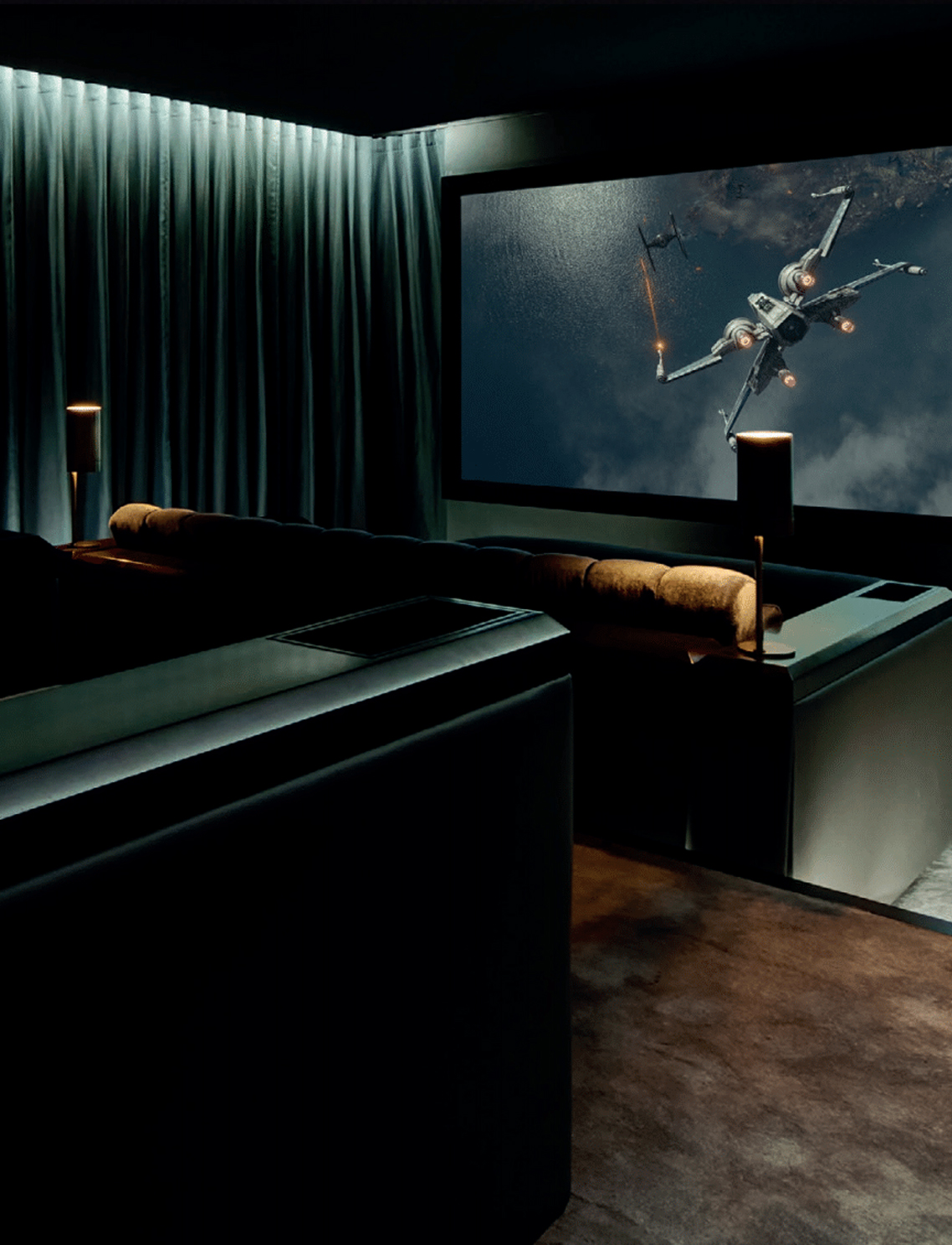
One of the most common pitfalls in home cinema installation is improper screen placement. A lot of homeowners fail to recognize the importance of screen placement at the perfect height and appropriate distance from the viewer. To avoid this mistake, take the time to assess your area and calculate the correct viewing distance, which is generally 1.5 to 2.5 times the screen’s diagonal. Ensuring proper alignment with the viewer's eye level will enhance the overall quality of viewing.
Another common issue arises from insufficient sound setup. Setting up audio in a home theater can be complicated, and not configuring speakers correctly can lead to poor sound quality. To avoid this issue, consider hiring a professional or investigating the best speaker layout. Consider the acoustic properties of your space, and utilize calibration devices to fine-tune audio settings for your room. Spending time on this will significantly improve audio performance.
Lastly, overlooking cable organization can diminish the aesthetic of your home cinema. Cables that are out in the open not only detract from the overall look but can also be a safety hazard. To prevent this, map out your cable paths during setup and consider using cable covers or conduits to neatly organize wires. Additionally, marking cables as you set up can save time in troubleshooting or future upgrades, ensuring your system remains manageable and visually appealing.