This Art and Discipline of Surveying: An Comprehensive Manual
Surveying is both an art and a science that plays a crucial role in the development and administration of land. Whether it entails establishing land boundaries, setting up for new construction, or performing environmental assessments, professional surveying services are integral to guaranteeing preciseness and adherence in various real estate and construction projects. In an constantly shifting landscape influenced by technology, grasping the importance and intricacies of surveying is essential for homeowners, construction developers, and planners alike.
This comprehensive guide delves into the diverse world of surveying assistance, showcasing the top reasons to employ a professional surveyor and what to expect during a land survey. From the various types of land surveys to the critical role they play in avoiding disputes and ensuring compliance with zoning laws, this piece will provide you with important insights into the surveying process. We will also discuss the newest technological advancements, including GPS and drone usage, and how they are changing the industry. By the end of this guide, you will come to understand the crucial role that surveying assistance play in safeguarding property rights and facilitating informed choices in real estate transactions.
Important Reasons to Employ a Surveyor
When starting on any real estate project, hiring a certified surveyor is imperative for reliable information. Surveyors acquire the technical skills and tools required to establish clear boundaries, identify property lines, and examine land characteristics. This level of detail not only ensures compliance with local regulations but also aids prevent costly disputes between property owners. With their knowledge, surveyors can provide insights that help you make wise decisions about land use, development, and investment.
One of the key gains of retaining a surveyor is their capability to detect potential issues before they worsen. For example, a thorough boundary survey can identify encroachments or easements that could influence your property rights. This preventative approach can save you from legal headaches and further expenses down the road. Furthermore, accurate surveys are often required by lenders and insurers, making them a crucial step in acquiring financing and protecting your investment.
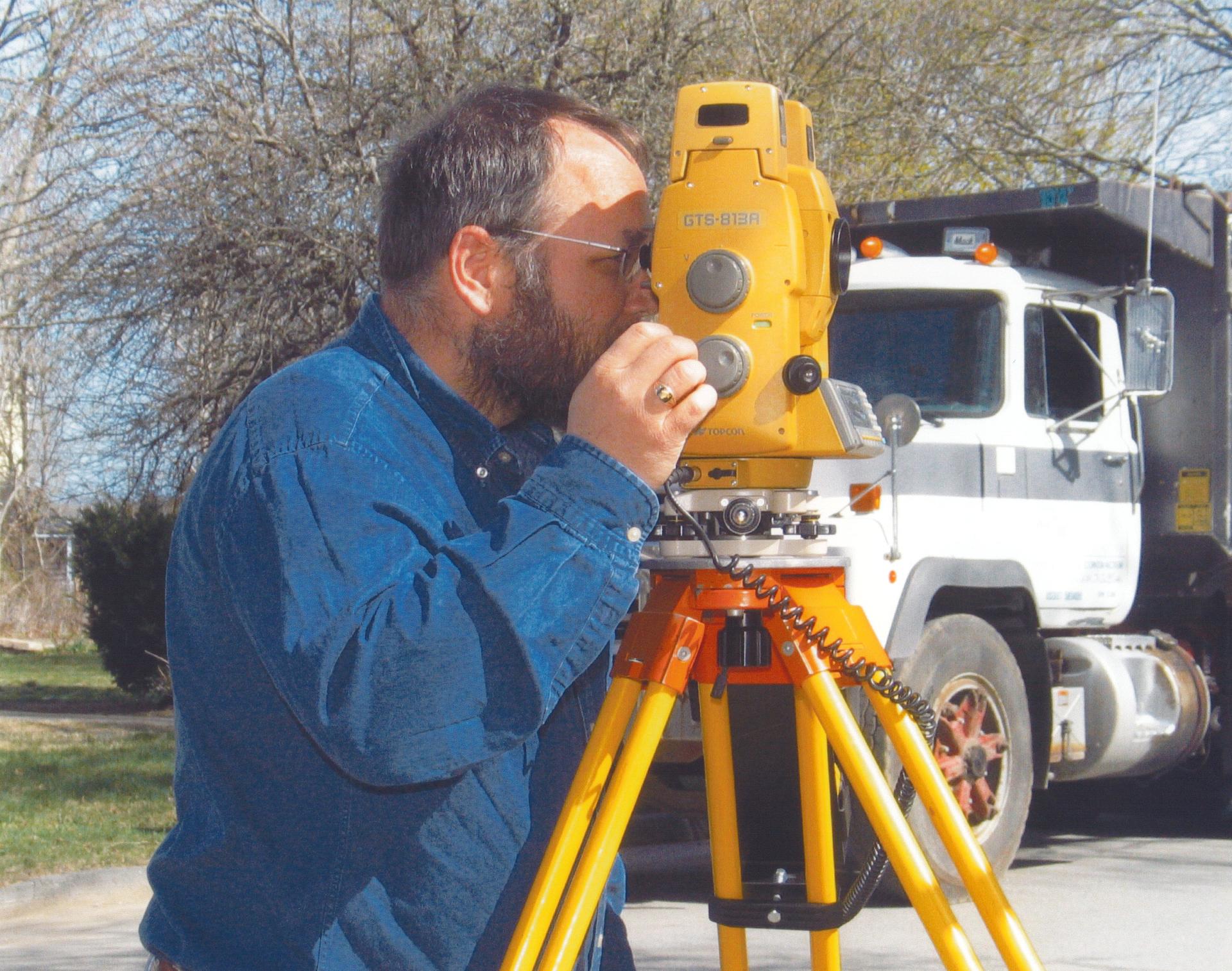
In parallel to legal and financial benefits, hiring a surveyor adds to overall project efficiency. Surveyors work closely with architects, engineers, and construction teams to ensure that plans are feasible and comply with zoning laws. Their expertise is particularly important in complicated projects where precise measurements and planning are essential. With a professional surveyor on your side, you can with confidence navigate the complexities of land development and concentrate on bringing your vision to life.
Key Types of Property Surveys Described
Land surveys are crucial techniques that determine the geographical and juridical limits of a piece of land. One of the primary kinds is the boundary survey, which determines the specific lines of a property based on property documents. This type of survey is essential for addressing disputes between neighbors and making sure that landowners understand exactly what they own. It usually involves measuring lengths and degrees to generate an accurate depiction of the area, indicating out boundaries with poles or markers.
Another significant form of survey is the topographic survey, which examines the physical and artificial features of a piece of land. It documents the height variations, shapes, and attributes, such as trees, structures, and bodies of water. This knowledge is essential for developers and designers, as it assists in planning construction developments and comprehending how drainage and other natural elements affect the site. These surveys provide a detailed layout for envisioning potential projects and making certain that construction adheres to local regulations.
ALTA and NSPS surveys are thorough evaluations that follow national standards, primarily used for business real estate and property deals. Setting Out Engineering Windsor Berkshire cover not only boundary lines but also details regarding existing access rights, improvements, and potential zoning issues. They provide buyers and lenders important insights into the real estate, lowering risks associated with property acquisition. Grasping the differences between various surveys helps property owners to make educated choices about their investments and reduce legal complications.
The Function of Land Surveying in Real Estate and Development
Land surveying plays a crucial role in property and development, serving as the cornerstone for effective real estate projects. Diligent land surveys provide essential data regarding land boundaries, heights, and site characteristics, which help contractors make intelligent decisions about land use and design. By understanding the terrain and geographical characteristics of a site, builders can improve their plans, guaranteeing compliance with regulations and enhancing the project's overall viability.
In development projects, land surveying is critical to coordinating with various stakeholders, including designers, engineers, and builders. Surveyors provide thorough maps and data that inform layout planning, grading plans, and infrastructure setup. This collaboration helps simplify the construction process, minimizing costly mistakes and ensuring that the project adheres to all regulations. Furthermore, these surveys are essential in evaluating potential environmental impacts and ensuring adherence to state and federal regulations.
Finally, precise surveying can significantly increase property value by preventing disputes and addressing potential issues before they escalate. By defining clear boundaries and identifying easements, surveyors protect property rights and foster clear communication among property owners and developers. This forward-thinking approach reduces the chance of legal challenges and promotes harmony in property development, benefiting all stakeholders and contributing to a positive project outcome.