Vitamins vs. Cancer: Vital Supplements for a Stronger Defense
The battle against the disease is a formidable journey, one that often seems intimidating for those affected and also their loved ones. As scientific research progresses, there is increasing interest in the potential role of vitamins and additives in aiding cancer treatment and prevention. Many people look for methods to strengthen their bodies' natural defenses and enhance their overall wellness during this challenging time. However, with so much information available, it can be hard to understand what is truly beneficial.
In this article, we will discuss the science behind anti-cancer supplements, investigating what scientists and oncologists have to say about their use. From vitamins and minerals to herbal remedies, we will provide a comprehensive overview of the products commonly discussed in the context of cancer support. We will also emphasize the importance of seeking advice from healthcare providers when considering these options, aiding you to traverse the often confusing field of cancer care and supplementation.
Science Regarding Cancer-Fighting Nutrients
While investigate the connection of nutritional science and oncology, the research into nutraceutical nutrients has gained substantial attention. Numerous studies aim to discover how certain vitamins, minerals, and herbal compounds may affect cancer prevention and treatment results. The capacity for these products to strengthen the body’s immune system against cancer has led to a rising awareness of their importance in enhancing cellular health. Antioxidants, for example, are examined for their ability to fight oxidative stress, which can lead to cell damage and contribute to cancer advancement.
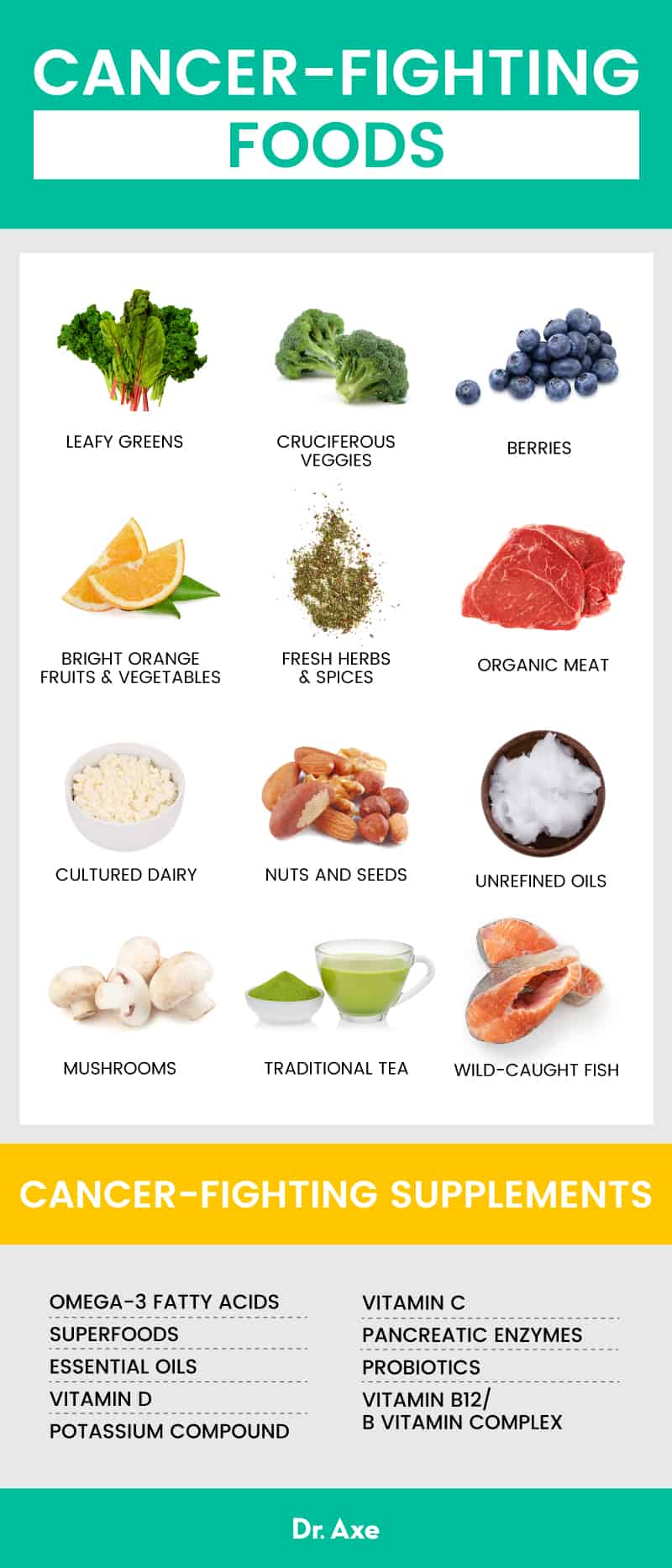
While some products show promising anti-cancer properties, it is crucial to distinguish between evidence-based advantages and claims that lack scientific support. Comprehensive reviews of clinical studies show that particular vitamins such as vitamin D and minerals like selenium may serve key roles in cellular defense mechanisms, possibly reducing the risk of certain cancers. Nonetheless, the results are not universally applicable, and some products may not be advantageous for all individuals. Grasping the unique context and formulation is essential for telling apart real potential from mere marketing hype.
Integrative oncology stresses the significance of a holistic approach, where products complement established cancer therapies rather than replace them. Oncologists support for an educated discussion about supplement use, emphasizing the need for scientific backing and the personalization of care. It is crucial for clients to check with healthcare providers to ensure the products they consider are suitable and do not intervene with ongoing therapies. As investigation continues, a clearer comprehension of the science behind anti-cancer nutrients is emerging, leading to more personalized and effective cancer care plans.
Nutritional Assistance During Cancer Treatment
When undergoing cancer treatment, maintaining proper nutrition is essential for supporting the body’s strength and overall well-being. This is particularly critical as treatments such as chemotherapy and radiotherapy can significantly impact appetite, the digestive process, and nutrient uptake. A balanced diet loaded with necessary vitamins and minerals can assist mitigate some side effects, boost energy levels, and enhance recovery. Experts stress the role of nutrition in maintaining strength and adaptability during the treatment journey.
Cancer-fighting supplements may also play a beneficial role in enhancing nutritional intake. Certain supplements, such as omega-3 fatty acids, vitamin D, and antioxidants, have been studied for their potential benefits in cancer care. They can contribute to better immune function and help manage inflammation in the body. However, it is essential to approach the use of supplements thoughtfully and under the supervision of healthcare providers to guarantee safety and efficacy.
Ultimately, the integration of nutritional support, including both dietary choices and targeted supplements, contributes to a comprehensive approach to cancer treatment. Nootropics South Africa are urged to work closely with nutritionists and oncologists to create a personalized plan that meets their unique needs. This team-based approach not only assists in controlling symptoms but can also improve overall quality of life during this challenging time.
Making a Decision on the Suitable Nutritional Aids Safely
Choosing the right nutritional aids for supporting cancer treatment demands a considerate method. Begin by talking with a healthcare provider who understands your specific circumstances, including the type of cancer you are facing and any ongoing treatments. It's crucial to have a comprehensive discussion about your nutrition, active medications, and any supplements you are thinking about. This working together guarantees that any supplements you choose won't hinder with your care or worsen negative reactions.
When evaluating supplements, focus on those that have robust scientific support. Investigate the utility of the supplements you are considering and look for evidence from scientific trials. Pay attention to quality and absorption, as some supplements may offer minimal benefits if they are not effectively absorbed by the body. Seek out trusted brands that conduct external testing to confirm their products are pure and contain the ingredients listed on the label.
Being aware of possible interactions is vital when using supplements during cancer treatment. Certain botanicals and vitamins may influence how chemotherapy or radiotherapy work or lead to negative effects. Therefore, always keep an ongoing conversation with your cancer doctor regarding any supplements you intend to use, and follow their advice to confirm you are taking responsible decisions that complement your complete treatment approach.